
Fountain Hills Seasonal Homes: Water Damage When You Return, and How to Leave Home Safe
A return walkthrough, room by room checks, and a leave-home-safe checklist for part-year homes in Fountain Hills, ZIP 85268.
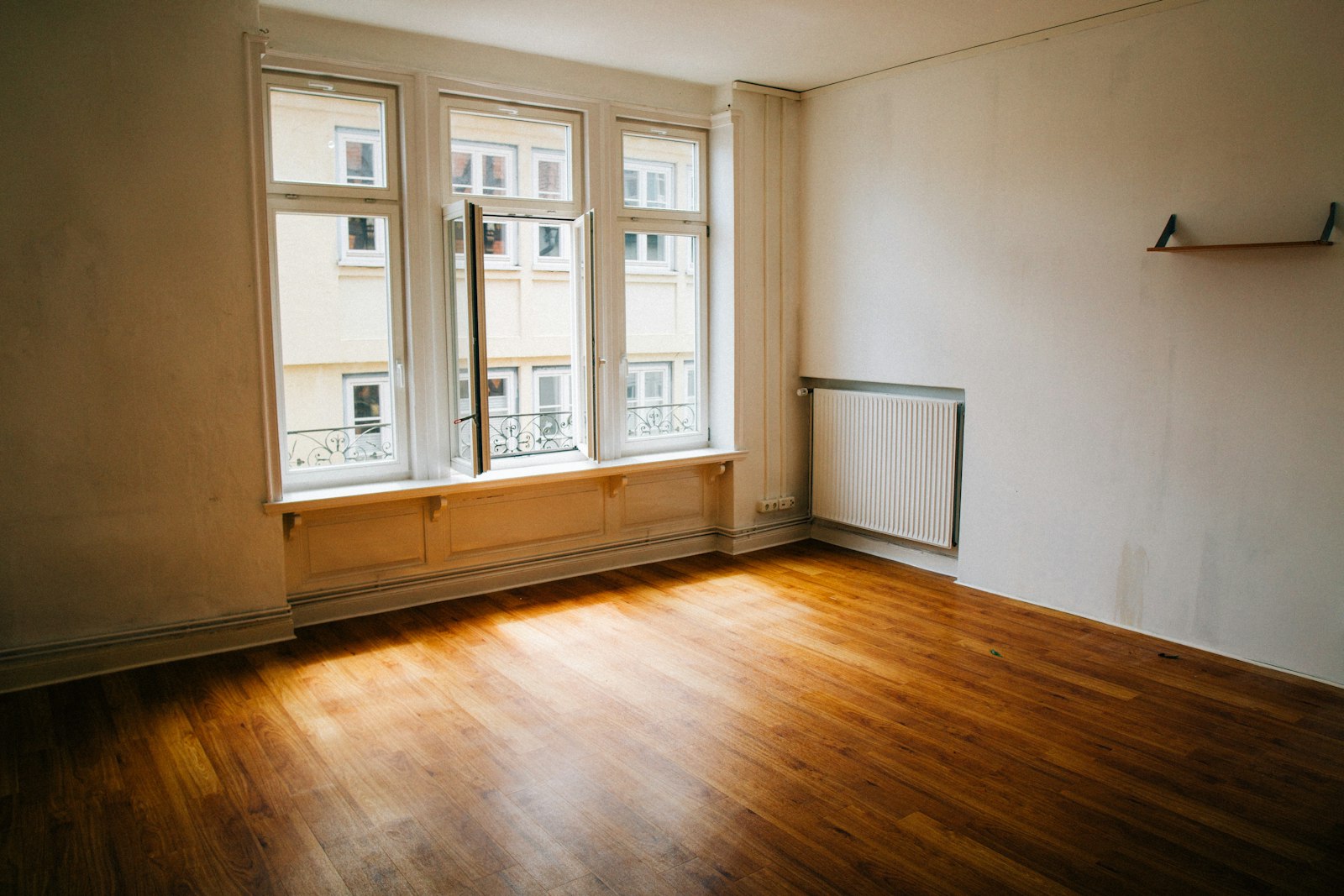
Many homes in Fountain Hills sit empty for part of the year. An owner comes back for the summer, or arrives for the winter, opens the door, and finds that water has been doing its work for weeks or months. A small leak that would be caught on the first day in a home lived in every day can spread through walls, floors, and cabinets in an empty home.
This guide is for seasonal homes. It covers the first walkthrough on your return, checks room by room, and a checklist for before you leave. It is written for homes in Fountain Hills, ZIP 85268, only, not for any other city.
1. Why water damage runs deeper in a seasonal home
Three things combine to make damage worse in an empty home: time, heat, and silence.
Time is the biggest problem. A slow supply line leak releases a little water every day. Nobody sees it, nobody feels a wet spot on the floor, and nobody watches the meter. A month later, that same leak has softened a whole wall.
Heat is the second problem. In Fountain Hills heat, the air conditioning workload, attic heat, and pressure on plastic supply lines all increase inside a closed home. If an air conditioning condensate line blocks, water starts collecting in the attic or a closet, and there is nobody there to see it.
The third problem is silence. A home lived in every day makes sounds. A dripping tap, a toilet that keeps running, or a water meter that keeps turning all reach somebody's ears sooner or later. In an empty home, all of that happens in silence.
That is why the question for a seasonal home is not only where the leak came from. The real question is when it started, how long it ran, and how deep the water reached.
2. The first walkthrough: the first 30 minutes back
As soon as you enter the home, before you start cleaning or moving furniture, check these five things first.
First, smell and air. A musty or earthy smell is often the first sign of hidden dampness. If the smell is only in one room, start with that room. Our guide to the signs of hidden water damage explains the other early clues worth knowing.
Second, floors and baseboards. A change of color in tile joints, laminate that has lifted, one part of a carpet feeling softer than the rest, or a baseboard pulling away from the wall are all signs of water.
Third, walls and ceilings. Light brown stains, paint that has bubbled, or drywall that feels soft all point to an older leak. If there is a stain on a ceiling, check the area above it as well, the attic or an upstairs bathroom.
Fourth, the water meter. Turn off every tap, then look at the meter. If the meter is moving while nobody in the home is using water, there is a leak somewhere. This test also helps identify a slab leak, and our slab leak guide covers it in detail.
Fifth, electrical safety. If water is near an outlet, a switch, or a breaker panel, do not touch that area, and think first about switching off the main power or that circuit. If the water looks or smells like sewage, do not enter that area at all, just look and leave it. Sewage water is not only wet, it is contaminated.
If the damage looks large, or the water has reached inside the walls, call on the first day back. Fountain Hills Water Damage Restoration, (480) 914-8813, Open 24 hours. An early call means drying starts early, and a delay in drying makes the damage worse.
3. Room by room checks
Kitchen: the cabinet under the sink, the floor around the dishwasher, and the fridge water line. These three places cause the most leaks in seasonal homes. Check the back of the cabinet by hand, because water collects there first and is seen last.
Bathroom: the base of the toilet, the floor under the shower door or curtain, and under the vanity. If the base of the toilet moves even slightly, the seal underneath may have failed. That leak spreads slowly under the floor.
Laundry: the washing machine hoses. Old rubber hoses are the weakest item in a seasonal home, because they sit under pressure for months and nobody checks them. If a hose has a crack or a bulge, replace it before running the machine.
Water heater closet: rust or a water mark on the tray or the floor under the heater. If the water heater is old, checking it first on your return is essential.
Garage and utility: the water softener, the indoor air conditioning unit, and the condensate line. Water in a garage often comes in under the wall, so check the lower part of the garage walls as well.
Outside: the irrigation valve box, hose bibs, and the base of the outside walls. In Fountain Hills hillside homes, also check which way the outside drainage runs. If water is running toward the home, it can get inside after monsoon rain or a storm. Our monsoon wash flooding guide covers that in detail.
4. The leave-home-safe checklist
This checklist is for the time you leave Fountain Hills for a few months. Finish every item the day before you leave, not at the last minute.
- Turn off the main water shutoff. It is not enough just to know where the shutoff is. Try turning it off once to see whether it closes properly. If it has jammed, have it fixed before you leave.
- Set the water heater to the setting the manufacturer recommends when the home is empty. Before switching the heater off completely, check its manual or take a professional opinion, because the right method is not the same for every model.
- Turn off the washing machine taps and release the pressure in the hoses. This is a small step that prevents the largest leaks.
- Do not switch the air conditioning off completely. Keep it on a setting that stops the home from getting excessively hot. Extreme heat in a closed home also causes damage, and have the condensate line cleaned before you leave.
- Check the irrigation timer. A wrong timer can leave water pooling in one place until it reaches the wall of the home. If there is a leak in the valve box, have it fixed before you leave.
- Give a trusted person the house key and your phone number, and ask them to walk through the home every two to three weeks. Ask them to check the meter, the kitchen cabinet, and the water heater closet in particular.
- Install a leak detector, if possible one that sends an alert to your phone. In an empty home, that device does the job of your ears.
- Check your community or HOA rules, if you live in a community. Some communities have a separate reporting or checking method for empty homes, and it is better to complete it before you leave.
- Take photos of the home before you leave, one photo of every room, together with the meter reading. On your return, those photos help show what has changed.
5. Drying, records, and insurance: what to keep
If you find water, do three things at once: stop the source, take photos, and call for drying. The first step is the shutoff. If you cannot find the shutoff or it does not work, call for help before trying to clean. If the water has reached the wall or the floor, it is already beyond a mop and a towel.
During drying, keep a daily record of the readings. Note how much moisture was in each room, when the readings changed, and when they reached a safe level. That record is useful later if a question comes up about how long the damage had been there or whether the drying was complete. If the damage is large, the drying work itself should be done professionally, not just with fans from a shop. Professional drying equipment is different from a household fan, and it is part of how water extraction works.
Tell your insurance company early, even if the damage looks small. In seasonal homes, the question often comes up whether the damage happened slowly over time, and whether the home was left in a safe condition before the owner left. Photos from before the trip, the meter reading, and the drying record all help with that conversation.
If you see mold in the home, do not try to scrub it off yourself, especially if it covers a large area. Leave it and call a professional. In a seasonal home, mold can spread through a closed space, and the work needed to remove it safely is different from ordinary cleaning.
6. What is different in Fountain Hills
Not every Fountain Hills home is the same. In hillside homes, water runs downhill, so damage often starts at the lower side of the home. Check the lower rooms and the base of the walls first.
During the monsoon months, wash and drainage water passes around the home. If you return during monsoon season and find water at the base of a wall, check the outside drainage as well as the indoor pipes. Our monsoon wash flooding guide explains the outside part in more detail.
In slab homes, water can also come from under the floor, with nothing visible above. If one part of the floor feels warm or one area of tile has changed color, think about a slab leak. Our slab leak guide covers the signs to check before calling.
If you are not sure what caused the damage, or if the water has spread into walls or floors, call early. Fountain Hills Water Damage Restoration, (480) 914-8813, Open 24 hours. A quick check on the first day back saves a lot of repair work later.
Frequently Asked Questions
What should I do first when I return to a seasonal home?
Check smell, floors, walls, and the water meter first. If you find the source, shut it off, take photos, and then start cleaning up. If the damage is large, call on the first day back.
What does a rising water bill mean in an empty home?
It usually means there is a leak somewhere, even if nobody has been using water in the home. Turn off every tap and check the meter. If the meter is still moving, start looking for the leak.
Should I shut off the main water completely before leaving home?
That is the safest approach, but first check that the shutoff actually works. If any system, such as irrigation or fire suppression, needs water, check that requirement first.
How quickly can mold start in a seasonal home?
Mold can start quickly in heat and humidity, which is why a delay in drying makes the damage worse. If you find a smell or a stain, do not ignore it.
Is the home fully fixed once drying is finished?
That depends on how deep the damage goes. A dry surface and a dry wall interior are two different things. Moisture readings show whether the inside of the structure has dried as well.
If you are not sure whether the damage is only on the surface, a professional check can help. If you need help after a burst pipe, our guide on what to do after a burst pipe explains the first steps, and our main service page covers water damage restoration.