
Fountain Hills Block and Stucco Homes: Why Water Hides in the Walls, and How Drying Is Verified
Block walls and stucco can hold water long after the floor looks dry. Signs, drying checks, and proof that a wall is really dry, for homes in Fountain Hills, ZIP 85268.
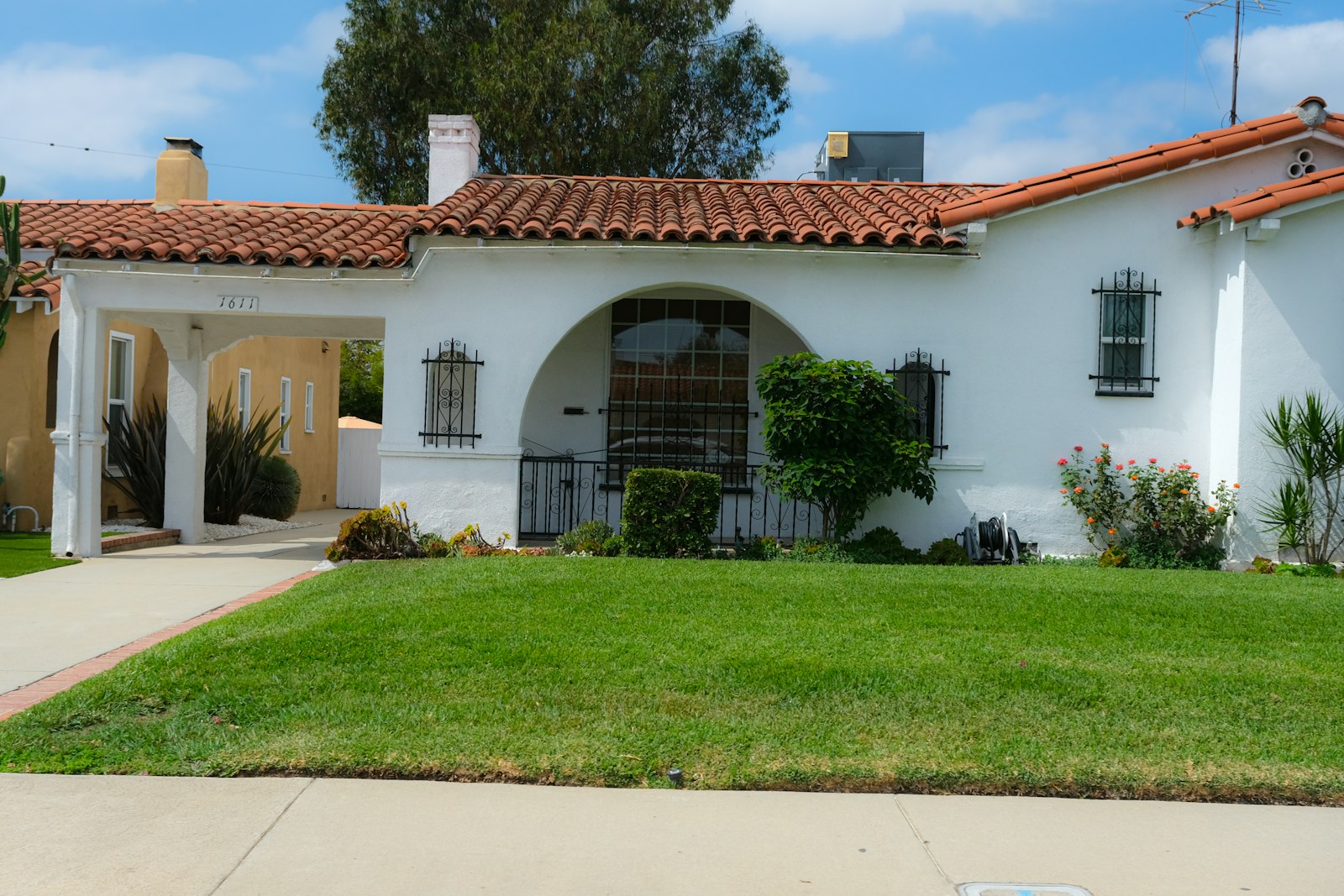
Many homes in Fountain Hills are built with block walls and a stucco finish. From the outside, these homes look solid. But after a monsoon rain, a slab leak, or a bathroom leak, water can stay inside the wall even after the floor looks dry. That is why water damage in block and stucco homes is often deeper than it first appears.
This guide is only for block and stucco homes in Fountain Hills, ZIP 85268. It explains where water hides in a block wall, what the signs behind stucco look like, why drying takes longer, and what counts as proof that a wall is really dry. A dry-looking floor is not proof on its own.
1. What block and stucco homes in Fountain Hills are
A block home has walls made of concrete block. Inside each block are hollow cells, and water can travel down through those cells and sit there for a long time. A layer of stucco goes over the outside, which protects the wall from weather but can also hide water behind it. On the inside there is usually drywall or plaster, which absorbs water quickly.
This construction handles desert heat and sun well. Its drawback is that water inside is not easy to see from outside. In a wood frame home, water often shows quickly, because wood swells or changes color. In a block wall, water spreads slowly, and its signs often appear late.
The problem gets worse on Fountain Hills hillside lots. Water running down from uphill presses against the lower part of the wall. If the grading slopes toward the home, or a yard drain is blocked, water sits against the wall for a long time. Our monsoon wash flooding guide covers hillside and wash runoff in detail.
2. Where water hides in a block wall
Water can hide in a block wall in four places.
First, the block cells. Water enters from above or from the side, travels down inside the cell, and can collect in the base course near the floor, while the upper part of the wall looks dry.
Second, behind the stucco. Water can get in through a fine crack in the stucco, a failed seal around a window or door, or a gap near the roof line. Even after the stucco surface dries, moisture can remain behind it, because surface air does not reach it.
Third, at the joint between the baseboard and the floor. Water under tile or flooring moves into the lower part of the wall. The baseboard can feel solid to the touch, while the drywall behind it has already softened.
Fourth, around window and door frames. In Fountain Hills heat, sealant can dry out and crack. During a monsoon rain, wind-driven water enters through those cracks and wets the wall around the frame. From outside, only a small stain may show, while a large area of drywall inside is wet.
That is why only looking to see whether the wall looks dry from outside is not enough. The real location of the water only shows up on a moisture meter.
3. Signs inside and outside
Inside signs include: the baseboard pulling slightly away from the wall, paint bubbling or peeling, a light brown or yellow stain on the wall, and a musty smell in one room while the rest of the home smells normal. A change of color in tile joints can also be a sign, especially on a wall near a bathroom or laundry. If carpet feels soft on one side, or the floor under it feels cold, that wall should also be checked.
Outside signs include: a long crack in the stucco, one part of the stucco looking a different color from the rest, a stain on the stucco below a window, or efflorescence at the base of the wall, which is a white, salt-like mark. Efflorescence means water has traveled through the wall from inside and left salt behind when it came out. It is not only a color problem, it is a sign of the path water took.
If you see any of these signs, it is better to get a moisture check before opening the wall yourself or cutting into the stucco. Cutting in the wrong place can increase the damage, and if the right place is never opened, the water stays inside.
4. Why a block wall takes longer to dry
The main property of block is that it absorbs water slowly and releases it slowly. Compared with drywall or carpet, block takes longer to reach a dry standard. That does not mean drying is not working. It means the drying plan should be made for block, not for wood frame.
Dry desert air can be misleading here. Fountain Hills dry air dries the wall surface quickly. Seeing a dry surface, people often assume the wall itself is dry. In our desert drying experience, this is the most common mistake. A dry surface and a dry interior are two different things.
During drying, air movers and dehumidifiers move air and pull moisture out. For a block wall, air sometimes has to reach behind the baseboard or into the lower part of the wall, so that water inside the cells can also come out. Sometimes a small part of the wall has to be opened so air can reach inside. That decision is made after moisture readings, not by guesswork.
Our guide to how long drying takes covers typical drying times. For a block wall, taking longer than that time is normal, and it is no reason to worry. Removing equipment early is the biggest harm for a block wall, because water left inside later reappears as a stain.
5. What counts as proof that a wall is dry
Before a wall is called dry, three things should be checked.
First, moisture mapping. A reading is taken on every affected wall at the start, then repeated on each visit or each day. Mapping shows how far the water spread, and how far drying has reached. One reading alone does not decide anything, the trend of the readings does.
Second, a dry reference. A reading from a part of the home that was not affected by water is used as the dry reference. When the affected wall's reading comes close to the dry reference and stays stable there, only then is it counted as dry. This method is also explained in our slab leak guide, where water hidden under tile was only caught by the meter.
Third, a written record. The readings from every visit, the equipment settings, and the condition of the wall should be written down. This record helps later, especially when an insurance or repair question comes up. If someone says a wall is dry but has no record of readings, that claim should not be trusted.
If your home has a block wall water problem and you are not getting a record of readings, asking for it is your right. Fountain Hills Water Damage Restoration, (480) 914-8813, Open 24 hours. On a call, you can ask whether moisture mapping was done, and what the dry reference is.
6. What not to do before repair
Putting new paint, a new stucco patch, or a new baseboard on a wall before it is dry is a mistake. A new layer seals water inside. Sealed-in water bubbles the paint again, cracks the stucco patch again, and brings the musty smell back.
In the same way, only sealing a crack on the outside of the stucco with sealant is not enough, until the water inside is dry. Dry the inside water first, then do the outside repair. In that order, the repair lasts longer.
If the water looks or smells like sewage, do not try to clean that wall yourself. Contaminated water is not only wet. Stay away from that area and call for help. Our sewage backup guide has safety steps for this.
7. Annual checks for Fountain Hills homes
Do these five checks twice a year.
- Check the sealant around windows and doors. If there is a crack or a gap, get it fixed before the rains.
- Watch the joint between the roof line and the stucco. Water often enters there and travels down inside the wall.
- Check grading and yard drains. Water should run away from the home, not toward it. On a hillside lot, this check matters most.
- Check irrigation and hose bibs. Water hitting the outside wall can slowly get behind the stucco. Irrigation water should not fall directly on the wall.
- Check the water heater, washing machine hoses, and AC condensate line. These three items cause the most leaks in Fountain Hills seasonal homes too, and our seasonal homes guide covers them in detail.
These checks cannot stop water, but they help identify water early. Early identification means less drying time, less repair, and less record-keeping trouble.
Frequently Asked Questions
Why does a block wall take longer to dry than a wood frame wall?
Because block absorbs water slowly and releases it slowly. Water stays in its cells for a long time, so the drying cycle is longer and must be confirmed with readings.
Will dry desert air dry the wall on its own?
It may dry the surface, but not the inside. Dry air dries the surface quickly and gives the false impression that the wall is dry, while moisture remains inside the block. That is why a meter reading is necessary.
What does a white mark on stucco mean?
It may be efflorescence, a sign that water has traveled through the wall from inside and come out. Only cleaning the white mark is not enough, the moisture inside must also be checked.
Does every block wall have to be opened for drying?
No. Each wall is decided by its readings. Sometimes redirecting air is enough, sometimes air has to reach behind the baseboard, and sometimes a small part has to be opened. That decision is made after mapping.
What is solid proof that a wall is dry?
The affected wall's readings coming close to the dry reference and staying stable there, plus a written record of readings from every visit. Only saying that the wall looks dry is not proof.
Additional Details
- Published: 2026-10-29
- Call: (480) 914-8813
- Address: 13220 N Eagle Ridge Dr, Fountain Hills, AZ 85268