
Water Heater Leaks in Fountain Hills: How a Garage Tank Floods a Home, and What to Do in the First Hour
A leaking water heater in Fountain Hills can flood a garage and soak the rooms next to it in an hour. Stop it fast and dry it right. For homes in Fountain Hills, ZIP 85268.
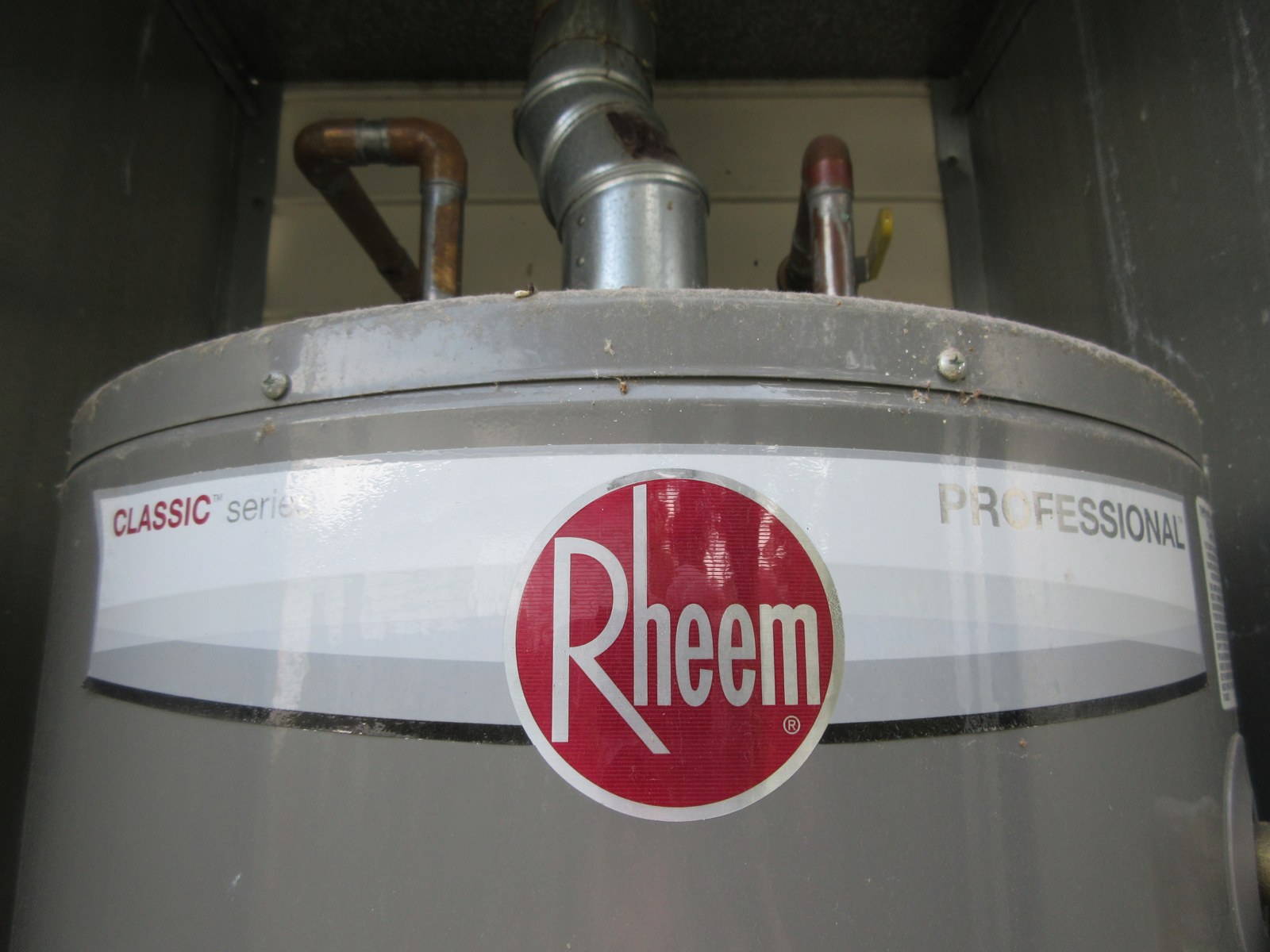
A water heater leak is the most common sudden indoor flood in a Fountain Hills home, and it is the one almost nobody writes a homeowner guide about. Competitors list water heater failure as a cause on their service pages and move on. Nobody explains what a Fountain Hills homeowner should do in the first hour, how far the water travels from a garage tank, or how to know the wall and floor are actually dry when the visible water is gone. This guide covers all of it.
Most Fountain Hills water heaters sit in the garage. That placement decides everything about the damage. A tank that splits in a garage does not flood a bathroom. It floods the garage slab, soaks the wall shared with the house, and wicks under that wall into the rooms on the other side. A homeowner who only mops the garage misses the wet drywall, the wet baseboards, and the wet flooring in the living room, and those are the places where mold starts.
Why water heaters fail here
Four local conditions work against a tank in Fountain Hills.
Very hard water. EPCOR delivers some of the hardest tap water in the Phoenix metro to Fountain Hills. Hard water leaves mineral scale inside a tank, on the heating elements, and in the pipes. Scale acts like insulation on the bottom of the tank, so the burner or element runs hotter and longer to heat the same water, and the metal fatigues faster. A tank that might last twelve years on soft water can fail years earlier here. Our pool and irrigation leaks guide explains the same hard water problem on the outdoor side, and the tank is where it shows up indoors.
Heat in the garage. A Fountain Hills garage is not a cool room. Summer heat bakes the tank, the pipes, and the fittings around it, and winter nights cool them again. That daily and seasonal swing expands and contracts every joint, and it dries out rubber seals and gaskets. A fitting that held all winter can start weeping on the first hot week of summer.
Age and the anode rod. Every tank has a sacrificial anode rod, a metal rod inside the tank that corrodes so the tank itself does not. The rod is used up over time, and once it is gone, the tank wall starts corroding from the inside. Most homeowners never know the rod exists, so they never have it checked, and the first sign of trouble is rusty water or a puddle. A tank that is ten years old or more in Fountain Hills is living on borrowed time, and the age sticker on the tank tells the story. Check the manufacture date on the label, not the install date on a receipt.
Seasonal homes. Many Fountain Hills homes sit empty for months while their owners are away, and the water heater keeps running the whole time. A tank that splits in an empty house can run for days before anyone walks in, and by then the garage and the rooms next to it are soaked. Our seasonal homes guide covers the return checklist, and the water heater belongs at the top of it, because a leak that runs for a season does more damage than a burst pipe found the same day.
Warning signs before the flood
A tank rarely fails with no warning. Look for these signs and act on the first one.
Rusty or cloudy hot water. Rust in the hot water only, with cold water running clear, points at the tank. It means the inside of the tank is corroding, and the anode rod is gone.
Rumbling or popping sounds. Scale on the bottom of the tank traps water underneath it, and the trapped water boils and pops when the burner runs. A tank that rumbles is a tank with a thick layer of scale, and it is working harder than it should.
A puddle or damp spot at the base. Any water at the base of the tank is a leak until proven otherwise. Condensation can form on a cold tank in humid weather, but condensation dries. A puddle that returns after you wipe it up is a leak.
Damp drywall on the shared wall. If the wall between the garage and the house feels damp low down, or the paint is bubbling or the baseboard is soft, water has already reached the house side. Our signs of hidden water damage guide explains how to read these signs, and why a wall that feels dry on the surface can still be wet inside.
A water bill that jumps. A tank leak is often slow at first, a steady drip or a weeping fitting. It shows on the bill before it shows on the floor. Compare the bill against the same month last year before blaming the pool or the irrigation.
Hot water that runs out fast. A tank full of sediment holds less hot water than it used to, so showers go cold sooner. That is a sign the tank is scaled up, and a scaled up tank is a tank under stress.
The first hour: what to do when you find it
Do these steps in order. Do not start with cleanup.
1. Stop the water. Find the cold water inlet valve on top of the tank and turn it off. If there is no inlet valve, or it will not turn, shut off the main water supply to the house. Our burst pipe guide walks through the shutoff and the first steps in order, and the same order applies here. Stopping the water is the step that decides how big the repair is.
2. Turn off the heat. For an electric heater, switch off its breaker. For a gas heater, turn the gas control to pilot or off. A tank that keeps heating with little water inside can overheat, and a gas burner running under a leaking tank is a hazard. Do this only if you can reach the controls safely and the floor is not deep in water. If the water reaches the outlets or the breaker panel, stay out and call for help.
3. Drain the tank safely. Connect a garden hose to the drain valve at the bottom of the tank and run it to a floor drain, a driveway, or outside, downhill from the house. Open a hot water tap somewhere in the house first, so air can enter the tank and the water can flow out. The water coming out is hot, so keep hands and feet clear, and never drain a tank into a room that has no drain. On a hillside lot, do not send the water toward a neighbor or a wall. Our hillside runoff guide explains how water moves on these lots.
4. Move things and take photos. Lift boxes, tools, paint cans, and anything stored low in the garage onto blocks or out of the wet area. In the rooms next to the garage, lift furniture legs onto blocks or foil, move rugs and papers, and take dated photos of the water line on the wall, the wet floor, the tank, and the valve you shut off. These photos are the start of the record.
5. Call for help early. A garage slab and a shared wall cannot be dried with a household fan. The longer block, drywall, and flooring stay wet, the more has to be removed. Calling early is the decision that keeps the repair small, and it matters more with a slow leak than with a visible flood, because the slow leak has already had a head start.
What gets wet, and why the garage is not the whole story
A water heater leak damages the house from the garage inward, and the drying plan has to match that path.
The garage slab. A tank holds tens of gallons, and a split tank releases all of it onto the slab at once. Concrete looks solid, but it absorbs water and holds it. Water under stored boxes and along the wall can sit for days, and it wicks into the base of the shared wall. Our slab leaks guide covers how hidden water under a slab is found and verified, and the same checks apply here.
The shared wall. The wall between the garage and the house is usually block or framed drywall, and both hold water. Drywall wicks water upward from the floor, so a baseboard that looks fine can hide a wet wall cavity a foot up from the floor. Block cores hold water for a long time. Drying a block wall takes longer than drying drywall, and it has to be verified with readings, not with a touch test. Our block and stucco drying guide explains the process.
The rooms next to the garage. Water that enters at floor level follows the path of least resistance, and that path is usually under the wall and into the next room. Carpet pad can stay soaked while the carpet surface feels dry, wood floors can cup, and tile can loosen. Check the room on the house side of the garage wall even if it looks dry, because the leak reached it before you found the puddle.
What the desert heat does not do. It is tempting to think Fountain Hills heat will dry the garage on its own. It will dry the surface, and that is the problem. A surface that looks dry while the inside is still wet is how mold starts behind a wall and how a floor fails weeks later. Drying has to be verified with moisture readings in the wall, the slab, and the flooring, not with a glance at the surface. Our guide on how long water damage takes to dry explains why the timeline depends on the material, not on the weather.
Tank or tankless: the leak is different
Most Fountain Hills homes have a tank, but tankless heaters are becoming common, and their leaks behave differently.
A tank leak is a flood. A tank releases its whole contents when it splits, and the volume is what does the damage. The first hour is about stopping the flow and getting the water out, because the quantity is large and the time is short.
A tankless leak is a slow soak. A tankless unit has no stored water, so a leak from a fitting, a heat exchanger, or a condensate line is usually a steady drip rather than a flood. The danger is that it runs unnoticed for weeks, soaking a wall cavity or a cabinet while the homeowner sees nothing. Check the wall behind and below a tankless unit the same way you would check any hidden leak, and watch for the same signs: damp drywall, peeling paint, a musty smell, or a meter that moves with everything off.
Condensate lines. A tankless unit and a high efficiency furnace both produce condensate, a steady drip of water that runs through a small drain line. If that line clogs or disconnects, the water backs up into the unit or onto the floor. Our cooler and AC condensate guide covers the same pattern on the cooling side, a small line that causes a big problem when it fails.
Drying verification: readings, not guesswork
After extraction, drying is verified in three places.
The wall. Moisture readings are taken at the base of the shared wall, inside the wall cavity, and in the drywall on the house side. Readings are compared with a dry reference wall in the same house, because a number alone means little. The wall is dry when its readings match the dry reference, not when it feels dry to the touch.
The slab and the floor. Readings are taken in the concrete and in the flooring above it. Carpet pad is checked separately from the carpet surface, because pad holds water long after the surface feels dry. Wood floors are checked for cupping and for moisture content, and tile is checked for loose pieces and for damp grout.
The air. Relative humidity in the garage and in the next room is tracked while the equipment runs. A room that stays humid is still giving up water from somewhere, even if the surfaces look dry. Equipment stays in place until the readings are steady, not until a fixed number of days has passed. Our guide on how water extraction works explains the equipment and the daily readings in more detail.
Prevention: the checks that cost little and save a lot
A water heater is one of the few home systems where a small annual check can prevent a flood.
Flush the tank once a year. Draining a few gallons from the tank each year clears sediment from the bottom, and a full flush clears more. A tank with less sediment heats better and lasts longer. If the drain valve will not open, or the water comes out rusty, that is information, not a failure. Note it and act on it.
Check the anode rod. The rod should be inspected every few years and replaced when it is mostly gone. A plumber can check it in minutes. A rod that is never checked is a tank that is quietly corroding.
Test the temperature and pressure relief valve. Lift the lever on the valve at the top or side of the tank and let it snap back. A little water should come out of the discharge pipe, then stop. If nothing comes out, or it keeps dripping, the valve needs attention. Never cap or plug the relief valve, and never block its discharge pipe.
Put a pan under the tank. A drain pan under the tank, with its drain line run to a floor drain or outside, catches a slow leak before it reaches the floor. A pan alone is not enough without the drain line, because a pan full of water is just a shallow pool. Add a leak sensor in the pan if you want an early warning, especially in a seasonal home.
Shut it down before a long trip. If the house will sit empty for weeks, turn the water heater to vacation mode or off, and shut off the water supply. A tank that cannot leak while you are away cannot flood an empty house. Our seasonal homes guide covers the full departure checklist.
Replace before it fails. A tank past ten years old in Fountain Hills, with hard water and garage heat, is a candidate for planned replacement rather than emergency replacement. A planned swap happens on your schedule. A split tank happens on the water's schedule.
Frequently Asked Questions
How do I know if my water heater is leaking or just sweating?
Condensation forms on a cold tank in humid weather and dries on its own. A leak returns after you wipe it up, and it leaves a puddle at the base or a damp spot on the floor. If the puddle comes back, treat it as a leak and shut off the water.
Can I keep using the water heater if it is only dripping a little?
No. A drip from a tank is a warning, not a minor problem. Tanks fail from the inside, and a drip means the metal has already given way somewhere. A drip can become a split with no further warning. Shut off the water and the heat, and call for help.
How long does it take to dry a garage and the rooms next to it?
It depends on the material, not on the weather. A contained leak can take three to five days of drying, and water inside a block wall, a slab, or a wall cavity takes longer. Equipment stays in place until moisture readings match a dry reference, not until a fixed number of days has passed. Our guide on how long water damage takes to dry explains the timeline in more detail.
Does a leaking water heater always mean the tank has to be replaced?
A leak from a fitting, a valve, or a pipe connection can often be repaired. A leak from the tank body itself, rust through the wall, or a split seam means the tank is finished, because the corrosion is inside the metal and cannot be patched from the outside.
What should I do first if I come home to a flooded garage?
Stop the water at the cold inlet valve or the main supply, then turn off the heater at the breaker or the gas control, but only if you can reach them safely and the water is not near the outlets or the panel. Move valuables out of the water, take dated photos, and call for help. Do not wade into water that reaches electrical outlets, and do not touch the breaker panel while standing in water.
Additional Details
- Published: 2026-11-13
- Call: (480) 914-8813
- Address: 13220 N Eagle Ridge Dr, Fountain Hills, AZ 85268