
Mold After Water Damage in Fountain Hills: Why It Grows in a Desert Home, Where It Hides, and What to Do First
Mold can grow inside a Fountain Hills home within days of a leak, even in dry desert air. Find it early, stop the water, and dry it right. For homes in Fountain Hills, ZIP 85268.
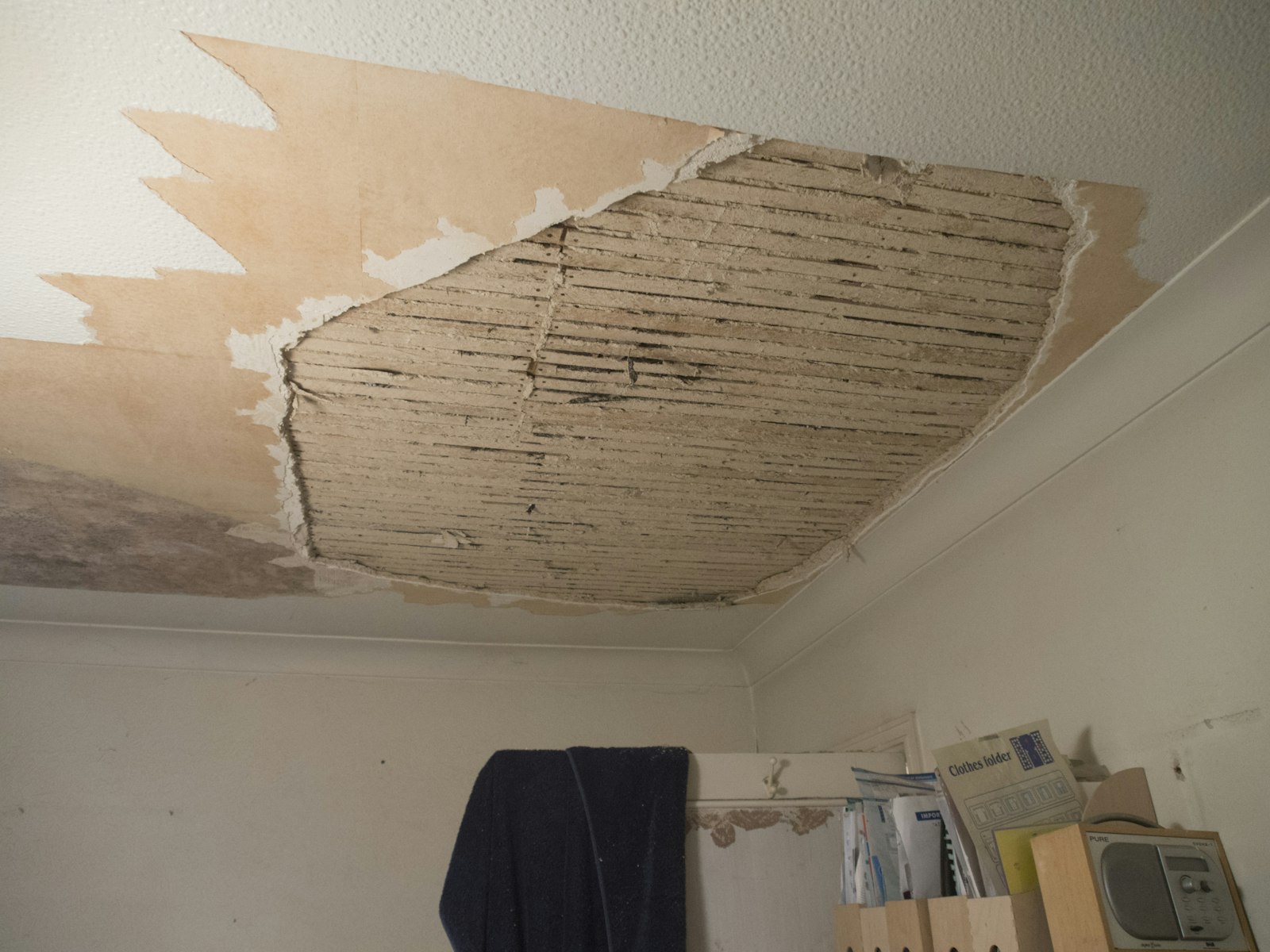
Fountain Hills is a desert town, and that is exactly why mold after water damage catches its homeowners by surprise. The air outside is dry most of the year, so people assume a leak will dry on its own and nothing will grow. Inside a house, the story is different. A slab leak, a clogged AC condensate line, a monsoon roof leak, or a burst pipe puts water inside walls, under tile, and behind stucco, where the desert air never reaches it. In summer heat, that trapped water is warm, dark, and still, which is what mold needs. This guide explains why mold grows in a desert home, where it hides in Fountain Hills houses, what to do in the first hours, and how to know the house is actually dry when the visible water is gone.
No competitor in Fountain Hills has a homeowner guide on this. The big Valley companies list mold remediation as a service and move on. One Scottsdale mold page covers Scottsdale neighborhoods and mentions Fountain Hills only in a service list. One Fountain Hills mold page reads like keyword stuffing, not a guide, and no homeowner can follow it. A post-flood assessment page talks about thermal cameras but never explains what a homeowner should do after the assessment. This guide is the one that was missing: written for a Fountain Hills house, with its block walls, stucco, slab floors, tile, and monsoon season in mind.
Why mold grows here, even in the desert
Mold needs three things: moisture, food, and time. A Fountain Hills home supplies all three after a leak, and the desert outside does not change that.
Moisture stays trapped. A leak inside a wall cavity, under a tile floor, or behind stucco is sealed away from the dry air. The sun and the breeze dry the outside of the house, not the inside of the wall. A block wall can hold water for days while its surface looks dry, and drywall can be soaked inside while the painted face looks normal. Our block and stucco drying guide explains how water moves through these materials, and why a wall that looks dry can still be wet.
Heat speeds it up. Mold grows fastest in warm conditions, and a Fountain Hills home in summer is warm even with the air conditioning running. A garage water heater leak, a slab leak under a sun-heated floor, or a monsoon leak in July puts warm water into warm materials. In those conditions, mold can start colonizing wet drywall and wood within 24 to 48 hours. That window is the most important number in this guide. A leak found on Monday and dried by Wednesday is a drying job. The same leak found on Friday can be a mold job too.
Food is everywhere. Mold feeds on cellulose, and a house is full of it: drywall paper, wood framing, baseboards, carpet backing, cardboard boxes in the garage, and paper stored in a closet. Tile and block do not feed mold, but the grout, the adhesive, the drywall behind the tile, and the dust on every surface do. A clean-looking tile floor can hide mold in the wall behind it.
Monsoon season stacks the odds. Monsoon season, June 15 through September 30, brings the two things mold needs most at the same time: sudden water and extreme heat. A single storm can push an inch or more of rain through a roof leak, a failed window seal, or a stucco crack in under an hour, and the heat that follows dries the street while the wall cavity stays wet. Our monsoon wash guide covers the outside water, and our roof leaks guide covers the inside path. The mold starts where those two meet.
Seasonal homes give mold a head start. Many Fountain Hills homes sit empty for months while their owners are away. A slow slab leak or a clogged condensate line in an empty house can run for weeks before anyone walks in, and by then the mold has had all the time it needs. Our seasonal homes guide covers the return checklist, and a musty smell on the first walkthrough is the sign to take seriously, not to air out and forget.
Where mold hides in a Fountain Hills home
Mold rarely grows where you can see it. It grows where water collects and air does not move. These are the places to check first after any leak.
Behind stucco and inside block walls. Stucco cracks let monsoon rain into the wall, and the wall dries from the outside while the inside stays damp. Block walls wick water upward from the slab, so the bottom of the wall can be wet while the top is dry. A dark stain, a damp patch that stays after a storm, or paint that bubbles low on the wall all point to water inside the wall. A wall that feels soft or spongy under light pressure has a problem that paint will not fix.
Under tile and in the slab. Tile is the most common floor in Fountain Hills, and it hides water well. A slab leak soaks the concrete, and the tile above it can look perfect while the adhesive and the grout stay wet. Loose tiles, grout that stays dark, or a tile that sounds hollow when tapped are signs to check. Our slab leaks guide explains the meter test that finds a hidden leak before it becomes a mold problem.
In the AC closet and the ducts. The evaporative cooler and the AC condensate line are the two most common hidden water sources in a Fountain Hills home. A clogged condensate drain overflows into the closet, the ceiling, or the wall cavity, and the cool, dark closet is a good place for mold to grow unnoticed. Our cooler and AC condensate guide covers the drain, the pan, and the first signs. If the AC closet smells musty when the system runs, the smell is coming from somewhere wet, and the source needs to be found, not masked.
Behind the water heater and under sinks. A garage water heater that weeps, a kitchen sink supply line that drips, or a bathroom vanity trap that leaks slowly all put water into a closed space. The cabinet floor swells, the drywall behind it softens, and mold grows where nobody looks until the smell gives it away. Our water heater leaks guide covers the garage side of this, and the same slow-leak logic applies under every sink in the house.
In the garage, on the shared wall. The wall between the garage and the house is the most common mold location after a garage leak, because the garage side is rarely checked. Water from a tank, a pool pump, or a wash flood soaks the bottom of that wall, and the house side shows the damage first as a stain or a smell. Check the baseboards on the house side of every garage wall after any garage water event.
In rooms that stay closed. A spare bedroom, a storage room, or a closet that stays shut after a leak holds humid air for days. Open the doors, move the stored items, and check the walls and the floor in every room the water could have reached, not just the room where you saw it.
The first hours: what to do, and what not to do
Do these steps in order. The goal in the first hours is to stop the water and start the drying, not to fix the mold by hand.
1. Stop the water first. Find the source and shut it off, at the fixture valve, the appliance valve, or the main supply. A mold problem is a water problem first, and no cleaning or drying works while water is still coming in. Our burst pipe guide walks through the shutoff and the first steps in order.
2. Do not paint over it, and do not bleach and forget it. Paint seals mold inside a wall, where it keeps growing behind the new coat. Household bleach on a porous surface like drywall or wood lightens the color without reaching the mold inside the material, and it adds water to a wall that needs to dry. A small spot on a hard, non-porous surface like tile or glass can be cleaned, but mold on drywall, wood, carpet pad, or insulation is a removal question, not a cleaning question.
3. Do not run fans into a closed, moldy room without a plan. Air movement helps drying, but blowing air across a moldy wall can spread spores into clean rooms. Open a window only if the outside air is dry and the room is not full of dust, and keep the door to the rest of the house closed until the wet materials are out. The drying equipment and the containment, if any is needed, are part of the job, not an afterthought.
4. Take photos before anything is removed. Photograph the stain, the water line, the wet floor, the source of the leak, and the valve you shut off, with dates. Photograph the back of every piece of drywall and baseboard that comes out, because the back tells the story the front hides. These photos are the record, and they matter whether the repair is small or large.
5. Find the hidden water, not just the visible mold. The mold you can see is the sign, not the whole problem. The water that fed it may extend a foot or two beyond the visible stain in every direction, inside the wall and under the floor. Moisture readings, taken with a meter and compared with a dry reference wall in the same house, show how far the water went. Our signs of hidden water damage guide explains how to read those signs, and our extraction guide explains the equipment and the daily readings.
6. Call for help early when the area is large or hidden. Published guidance from the EPA and the industry standard for mold remediation both draw the same practical line: a small area on a hard surface is a homeowner job, and anything larger, anything inside a wall, anything in the AC system, and anything that came from sewage or floodwater is a professional job. When in doubt, the safe choice is to have it inspected. A mold problem found early is a small job. A mold problem left to grow behind stucco is not.
What gets removed, and what can stay
After water damage, materials fall into two groups: the ones that can dry, and the ones that have to go. Knowing the difference before the work starts saves arguments and rework.
Usually removed: drywall that stayed wet, especially the bottom foot of a wall, and any drywall with visible mold on the back. Carpet pad, which holds water long after the carpet surface feels dry. Fiberglass insulation that got wet, because it holds water and loses its shape. Baseboards and trim that swelled or softened. Cardboard, paper, and fabric that sat in water. Anything that touched sewage water, which is a different category entirely and is handled under stricter rules. Our sewage backup guide covers that category.
Often saved: block and concrete, which dry with time and airflow. Tile, if the adhesive and the grout dry and the tiles stay bonded. Metal fixtures and pipes, once dried and cleaned. Solid wood that dries without warping, checked with readings, not by eye. Glass and hard plastics, cleaned and dried.
Decided by readings, not by looks: the wall cavity, the slab, and the subfloor. A wall is dry when its readings match a dry reference wall in the same house, not when it feels dry to the touch. A slab is dry when the concrete readings are steady and low, not when the tile looks fine. Equipment stays in place until the readings are steady, not until a fixed number of days has passed. Our guide on how long water damage takes to dry explains the timeline in more detail, and the rule is the same here: the meter decides, not the calendar.
The seasonal home return check
If you come back to a Fountain Hills home after weeks or months away, do this check before you unpack.
Smell first. Walk in and stand still for a minute. A musty, earthy smell is the earliest sign of mold, and it shows up before any visible growth. If the house smells musty, do not just open the windows and hope. Find the source.
Check the AC closet and the water heater. Look at the condensate drain and the pan, the floor under the water heater, and the wall shared with the garage. A puddle, a stain, or a damp baseboard means water was running while you were away.
Check the low rooms and the hillside wall. On a hillside lot, the downhill wall and the lowest room collect water first. Check the baseboards there, and the floor where it meets the wall. Our hillside runoff guide explains how water moves on these lots.
Check the pool equipment and the irrigation. A pool pump leak or an irrigation valve leak can run all season, and the water can reach the house through the slab or the wall. Our pool and irrigation leaks guide covers the bucket test and the meter test that find these leaks.
If you find mold, do not clean the whole house first. Stop the water, photograph what you found, and get the wet area inspected before you start moving stored items through clean rooms. Moving boxes and furniture out of a moldy room can carry spores into the rest of the house.
Insurance: general information, not advice
This section is general information about how insurance usually treats mold after water damage. It is not insurance advice, and it is not legal advice. Your policy and your situation decide what applies to you.
Sudden and accidental versus gradual. Most homeowners policies treat mold that follows a sudden, covered water loss, like a burst pipe or a storm leak, differently from mold that follows a slow leak that ran for months. The distinction is about the water event, not about the mold itself. That is why the record matters: dated photos, the date you found the leak, the date the water was stopped, and the readings that show how far it spread.
Document everything, from the first hour. Photograph the source, the water line, the wet materials, and every piece that is removed, front and back. Keep the dates, the readings, and the names of everyone who worked on the job. A claim file with a clear timeline is easier to explain than a claim file with a single photo.
Floodwater is different. Water that came from outside, from a wash or a storm flood, is usually treated under flood insurance, not under a standard homeowners policy. Monsoon wash flooding and a burst pipe are different events with different paperwork, and our monsoon wash guide covers the outside water side.
Ask before you remove. If you think the loss may be claimed, contact your insurer before large-scale removal, and follow their instructions about documentation. Emergency steps to stop the water and prevent further damage are expected. Removing walls and floors before anyone has seen them is harder to explain.
Prevention: the checks that cost little and save a lot
Most Fountain Hills mold starts with a leak that ran unnoticed. These checks catch the leak before the mold.
Walk the house after every monsoon storm. Check the ceilings under the roof, the walls around windows, the baseboards on the downhill side, and the floor in the lowest room. A stain that appears after a storm is a leak, not a cosmetic mark, and a stain that grows between storms means water is still inside.
Check the AC condensate drain every summer. Pour a cup of water into the drain pan and watch it flow out. If it drains slowly or not at all, the line is clogged, and the next overflow goes into the closet or the ceiling. Clear the line before the season, not after the first overflow.
Look at the water meter. Turn off every tap and appliance, then watch the meter. If it moves, water is going somewhere it should not go. Our slab leaks guide explains the meter test in full, and it is the cheapest leak detector a homeowner owns.
Inspect the stucco every spring and fall. Walk the outside walls and look for hairline cracks, dark stains, and soft spots under light pressure. Seal small cracks early, and have a soft or spongy area checked before the next monsoon, because a soft spot means water is already inside.
Keep the garage wall dry. Do not store cardboard boxes, paper, and fabric against the shared wall between the garage and the house, because those materials feed mold and hide the first stain. Keep a hand's width of space, and check the baseboards on the house side after any garage water event.
Shut the water off before a long trip. If the house will sit empty for weeks, shut off the main water supply. A leak that cannot run while you are away cannot grow mold while you are away. Our seasonal homes guide covers the full departure checklist, and the shutoff is the single step that prevents the most damage.
Frequently Asked Questions
How fast can mold grow after a leak in Fountain Hills?
In summer heat, mold can start colonizing wet drywall and wood within 24 to 48 hours of the water arriving, and visible growth often appears within three to seven days. In cooler months it is slower, but it still grows, because the inside of a wall stays warm and damp long after the outside cools down. The clock starts when the water arrives, not when you notice it.
I cannot see any mold, but the house smells musty. Is that a problem?
Yes, and it is the most common way mold is found in a Fountain Hills home. A musty smell means mold is growing somewhere, usually inside a wall, under a floor, or in the AC closet, where you cannot see it. The smell is the signal to find the water source and check the hidden spaces with readings, not to mask the smell with a spray.
Can I just spray bleach on moldy drywall and paint over it?
No. Bleach lightens the color on the surface of porous materials like drywall and wood, but it does not reach the mold inside the material, and it adds water to a wall that needs to dry. Paint seals the mold inside the wall, where it keeps growing behind the new coat. Moldy drywall is a removal question, and the wall needs to dry to readings that match a dry reference before it is rebuilt.
Why does mold grow in a desert house at all?
Because the desert is outside and the mold is inside. The air in a wall cavity, under a tile floor, or behind stucco is warm, dark, and still, and a leak keeps it wet. The dry air outside dries the street and the outside of the house, not the inside of the wall. A slab leak, a condensate overflow, or a monsoon leak gives mold everything it needs, and the desert climate does not stop it.
How do I know the house is really dry after the mold is removed?
By readings, not by looks or by smell. Moisture readings are taken in the wall, the slab, and the air, and compared with dry reference readings from the same house. The job is done when the readings match the dry reference and stay steady, not when the surfaces feel dry or the smell fades. Equipment stays in place until the readings are steady, and the rebuild starts only after that.
Additional Details
- Published: 2026-11-17
- Call: (480) 914-8813
- Address: 13220 N Eagle Ridge Dr, Fountain Hills, AZ 85268